• Click a tag to see the related blog posts

  • Mesmer Veil Effects with Easy Tunisian Crochet Stitches


    Share

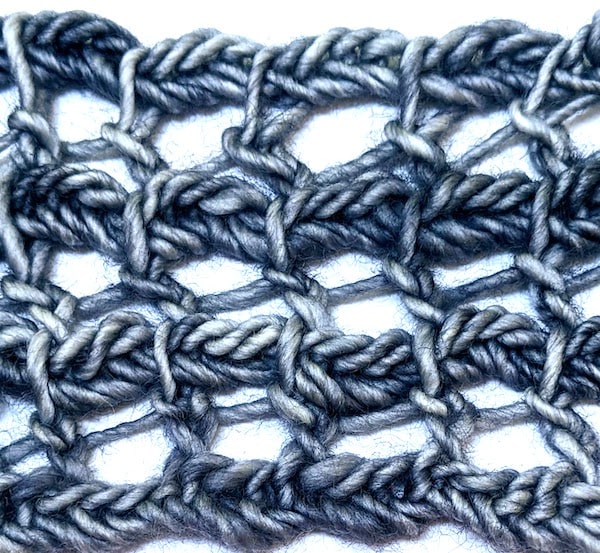
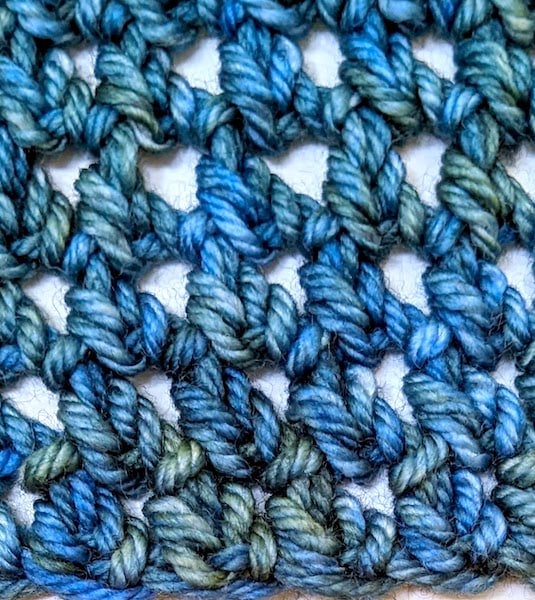
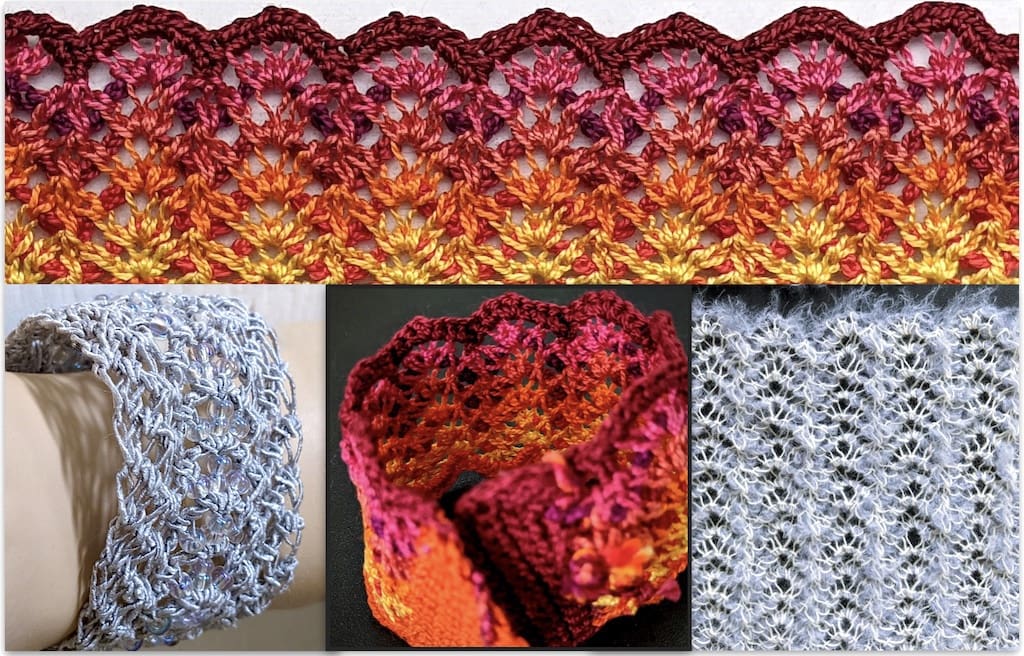
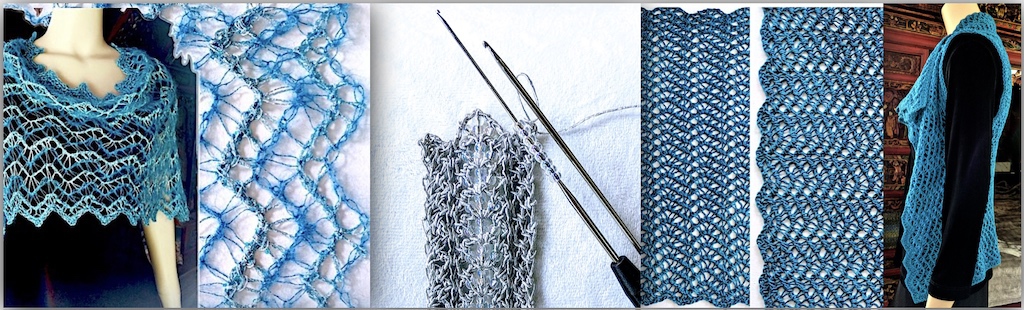
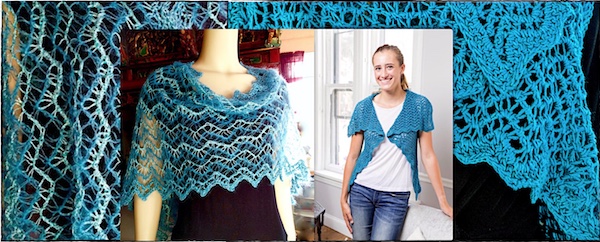
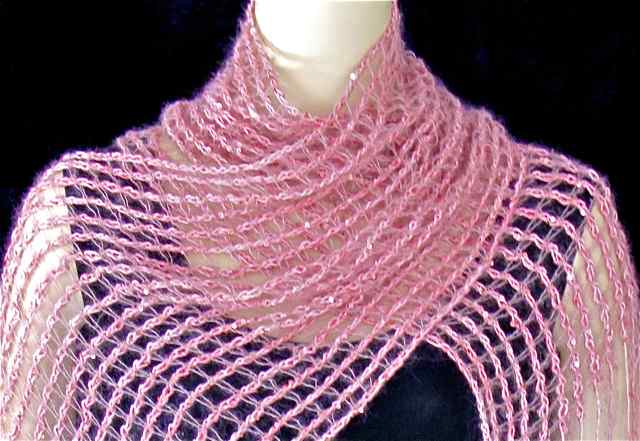
    It’s been over three years since I crocheted the original Mesmer design prototype and I’m as entranced by it as ever. The crocheting experience feels magical, and I still get a bit wonderstruck when I wrap myself with it. Click on each photo to enlarge it and see its story.

    The Mesmer Tunisian Crochet Veil pattern PDF is now in the DesigningVashti SHOP as an instant download.

    You can also find the pattern for it, and projects, in Ravelry.

    Recommended! Crochet Inspirations Newsletter #49: ‘TEKSplorations’ for Tunisian Lace

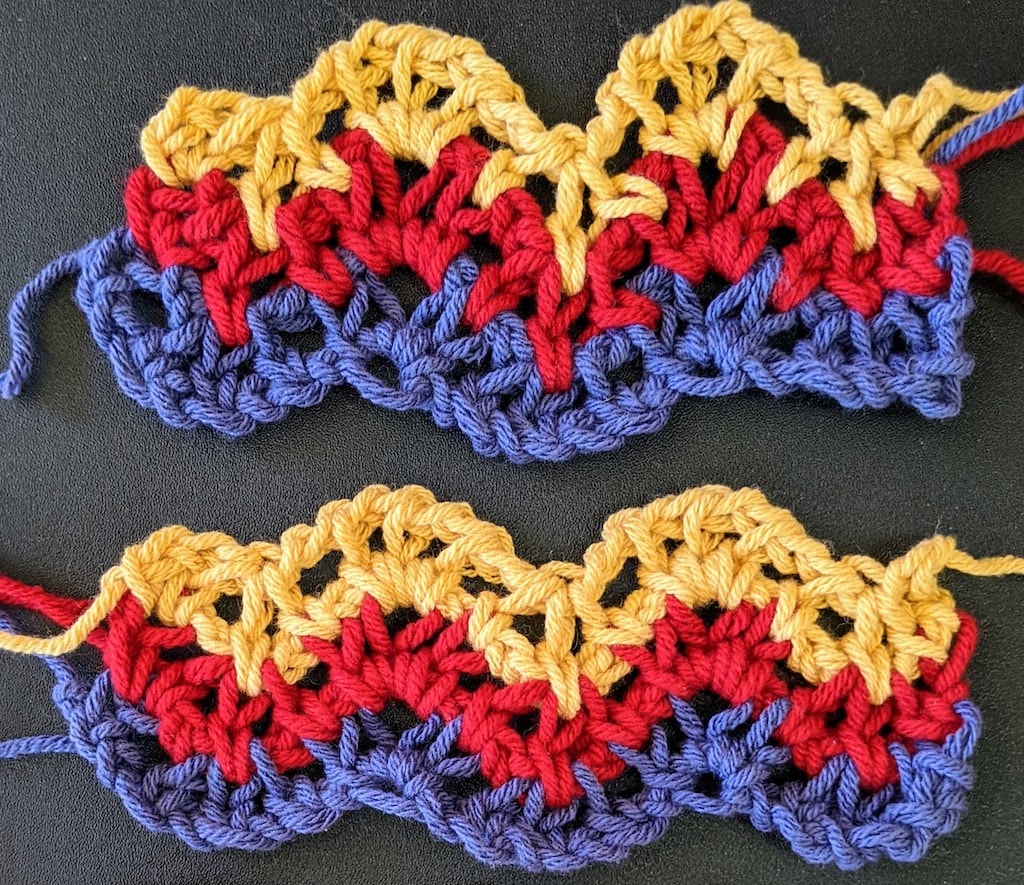
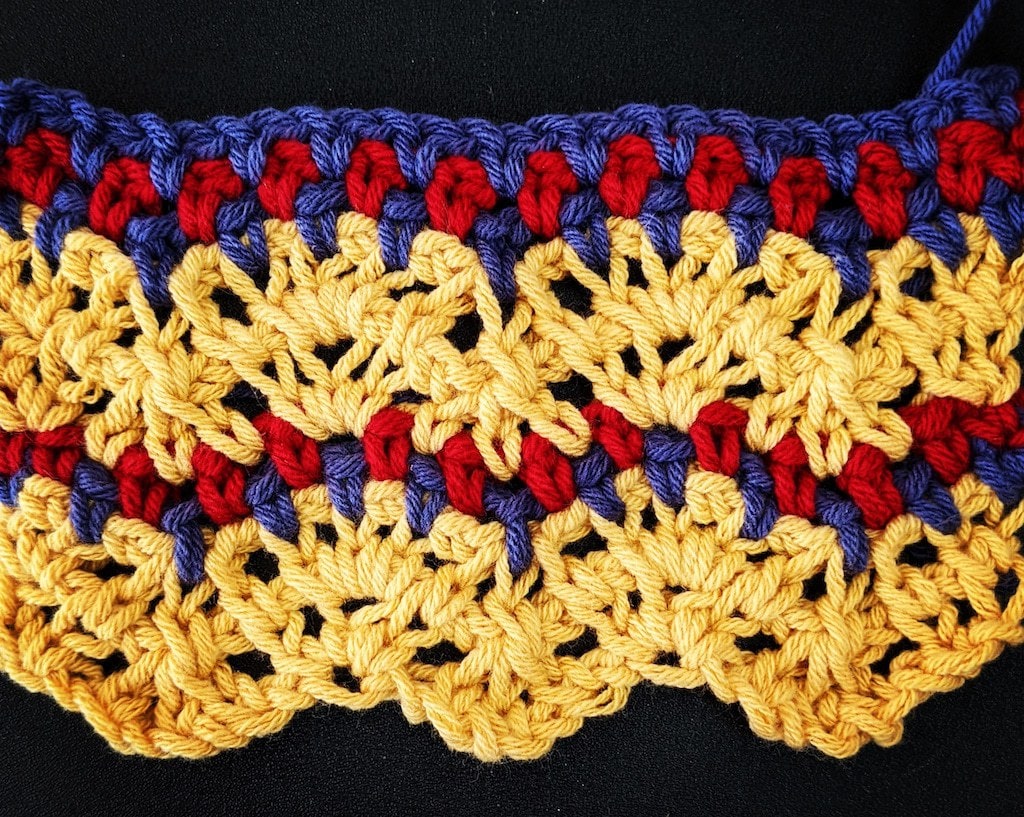
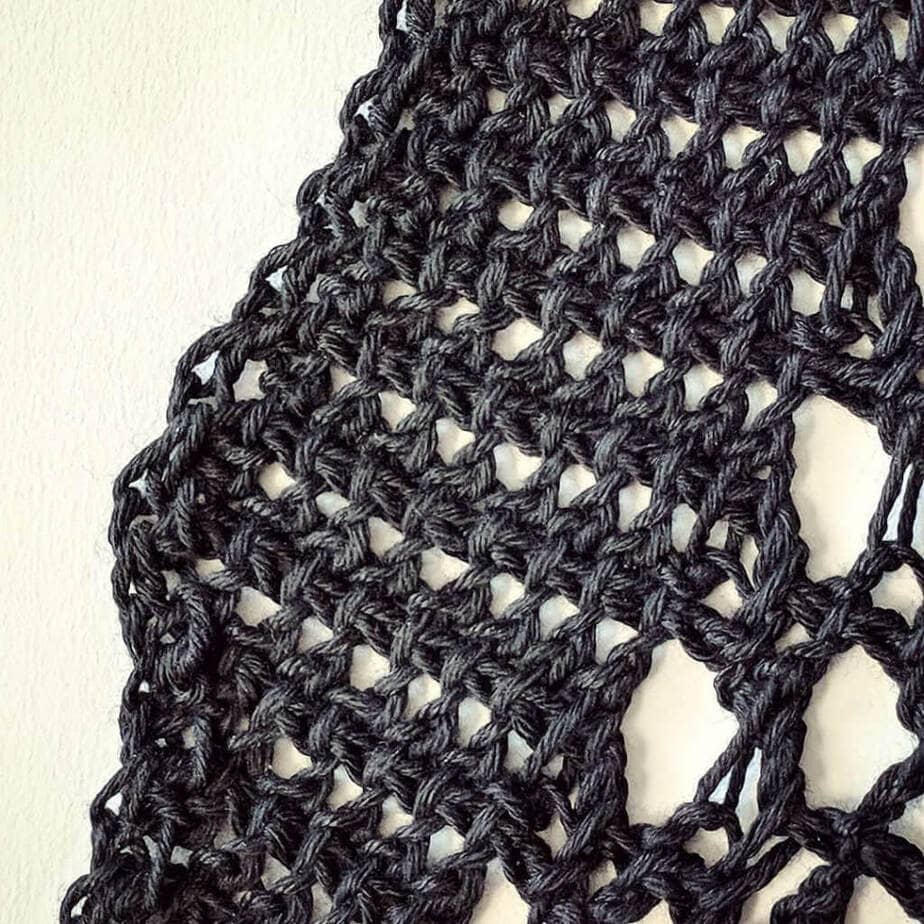
    Mesmer is fun project because not only is it fast, it’s an unusual experience of Tunisian crochet and of yarn combining. It’s rare that the Return Pass has the starring role in a Tunisian crochet fabric; in fact, it’s more common for designers to downplay it, or try to work around it. One reason is that it has the least amount of stretch, like the foundation chain in regular crochet. Another reason is its texture doesn’t blend in readily, so it gives a strong texture. Although this design is a fun way to combine scrap yarns, I designed it to make fancy, pricy yarns last longer.

    Share
    • May 2nd, 2013 by Vashti

    New Free Crochet Jewelry Pattern & Guide


    Share

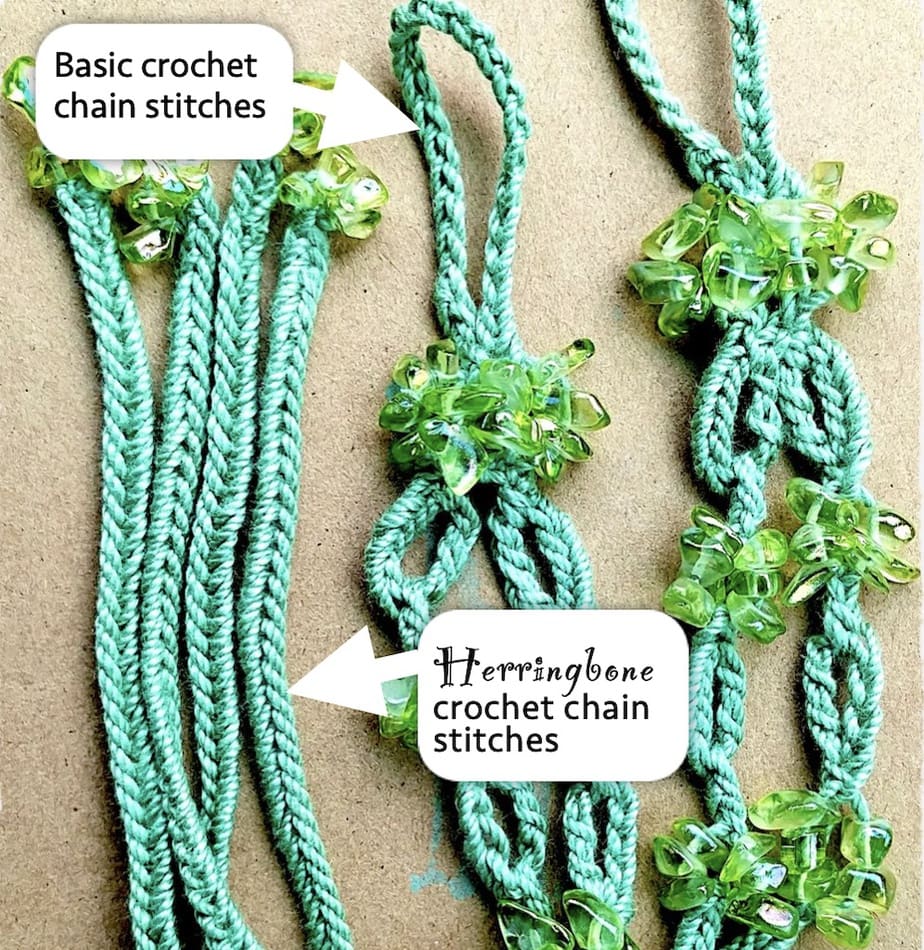
    My three newest crochet jewelry pattern releases share a theme: all are methods for crocheting beaded strands, without actually using beads. I’ve developed special beady crochet stitches and found jewelry-crocheting ways to make stitches stack up symmetrically and neatly, like beads do.

    Not only do I love crocheting beads instead of adding beads to crochet; sometimes it’s better – allows a crochet project to be more portable or faster to begin, for example. For more images, here’s my “Pearly Crochet Stitch Types for Jewelry Crochet” photo set.

    My free Puffpearls Jewelry Cord Crochet Guide is really three small patterns in one, because each pattern is a jewelry component that can be used independently with other designs. The three components are the Chain Loop Clasp, the Puffpearl Stitch Cord, and the Mushroom Button. Along the way I explain what makes each of these my “go-to” jewelry components, and suggest some creative ways to vary them and enhance their basic features.

    After wearing crochet jewelry for years, and teaching Crochet Jewelry in local yarn shops and at national conferences, I wanted to provide a free guide to some of the simplest basics I find that I’ve relied upon for years. That’s why I came out with the free Puffpearls Jewelry Cord Guide. Together with the Irish Pearl Knot Stitch and the stitch menu in the Sweet Almonds Jewelry Set, I use it myself as a reference guide, so I’ve rounded out the free crochet jewelry pdf with:

    • A chart of standard necklace lengths
    • How to make the best beginning slip knot when starting a crochet jewelry project
    • How to make necessary adjustments for a good match between pendant and crochet cord.

    Something else I’m noticing about crocheting ‘beads’ is that they’re amazing in silk and rayon threads. You might like issue #47 of the Crochet Inspirations Newsletter on using rayon threads for crochet jewelry. You also might like issue #46, “Open and Closed Clones Knots.” It was inspired by the Irish Pearl Knots design.

    The Puffpearl was one of the first (if not THE first) of the pearly stitches I swatched, back in 2008. Allow me to end by counting the ways that I like it now more than ever! The Puffpearl Cord is…

    1. Strong with a bit of built-in stretch. It has clean good looks from any angle and has many uses, so it’s fun to see how it responds to different fibers and hook sizes.
    2. Fun to experiment with simple changes to the stitch’s basic steps for creating alternate versions of the cord.
    3. Fast! A 20-minute crochet friendship bracelet is pretty instant gratification.
    4. Easy to make this stitch uniform in size and shape for a polished-looking pendant cord.
    5. The most straightforward and structurally familiar of all my favorite bead-like crochet stitches for fancy cords. (I especially appreciate this when using slippery threads like silk and rayon.)
    Share
    • February 26th, 2013 by Vashti

    Crochet Jewelry Class Resources


    Share
    Most recently taught by Vashti Braha on September 13, 2012 at CGOA’s Chain Link Conference in Reno, Nevada

    This clickable list of crochet jewelry resources is mainly to aid students of my classes in exploring more about jewelry crocheting at their leisure. (If you have not yet taken any of my crochet jewelry classes, I hope someday I’ll meet you in one of them!) You’re welcome to enjoy the links below whether you’ve taken the classes or not. They represent the extra information that doesn’t fit into a standard three-hour class. Some are the names of designers, books, jewelery styles, etc., that I may have mentioned in a class.

    — Vashti Braha

    1. Page of my published Jewelry Crochet downloadable patterns
    2. Some of my not-yet published Jewelry Crochet projects

    Crochet Inspirations Newsletter Topics:

    Blogged:

    Books, Four Recent Observations About:

    1. Here’s something I’ve noticed: Jewelry crocheters tend to have very strong opinions about which threads and other types of filaments are best. Some jewelry authors’ recommendations contradict others; some conflict with my actual experience of crocheting or wearing these materials. I also came to realize that I had my own fierce preferences (based upon what I know so far about how cotton crochet thread is made)! Crocheters know that we can crochet with just about anything. This is especially true for jewelry! Bead shops and craft stores offer beading threads, “memory wires,” leather lacing, braided waxed linen, etc., which offer us completely new crochet experiences. I haven’t tested every material favored by every author, and it’s looking like each crocheter needs to do her/his own open-minded experimenting and testing.
    2. How I make sense of Observation #1: When an author (and/or publisher) seems to come from the world of non-crochet beading and jewelry making, s/he tends to have a comfort zone and preference for synthetic beading threads for crochet. I also see an easy familiarity with traditional metal jewelry findings and related tools, and with using large amounts of tiny seed beads, or bead mixes, to the point of covering up the crochet stitches completely. If a natural fiber thread is recommended, I more often see a preference for perle cotton. On the other hand, authors who come to jewelry design from the world of crochet tend to: be conversant with the virtues of high-twist mercerized cotton threads; explore yarns of various fiber mixes; may use only a few beads as accents or no beads at all; feature crochet stitch textures and contrasting colors of thread work (which may stand in for beaded looks); and to crochet jewelry fastenings in place of traditional metal findings.
    3. Due to #1, I’m finding that having a library full of crochet jewelry books is paying off in a powerful way when I treat them as one individual jeweler’s “workbench notes.” Here’s an example of how I use them for reference: if I wish to try a new fine silk sewing thread, I look through the books to see if someone already has. If so, I look to see what crochet hook size the designer used as a starting point, and I go up or down hook sizes from there, depending on what I think about the stitch texture pictured. If it’s beaded, I check what size beads fit onto the thread. In this way, those jewelry books which are eclectic compilations of several designer’s patterns are goldmines of pointers toward how an unfamiliar (to me) material worked out for someone else.
    4. Observation #3 is why I now keep a better “jewelry workbench journal” as I travel this jewelry crochet journey, and I hope that you will, too. Each of us needs to discover what kind of hook size we prefer with a new unusual material, what beading needle made the stringing easiest with which bead & thread combo, etc. — and then record it so that future designs come together faster and easier. :-)

    See my crochet jewelry book list at the original DesigningVashti crochet blog for clickable titles and descriptions.

    Crochet Jewelry Design Styles:

    I’ve noticed that of the fullest range of crochet jewelry designs imaginable, some styles are far more explored than others. For example, bead crochet ropes (sometimes called “tubular crochet”), are so popular and recognizable that this style sometimes seems to represent the whole field of crochet jewelry. Several good books are available on this one type. I’ve discussed most of the crochet jewelry books in print in another blog post (see Books, above).

    In the interest of promoting the broadest, most inclusive definition of what crochet jewelry is and can be, I’ve begun curating online images in galleries in Pinterest and in Flickr.

    ———————-

    You might also be interested in the resource pages I’m creating for my other class topics:

    Share
    • September 27th, 2012 by Vashti

    From Crochet Design Idea to Professional Proposal


    Share

    Resources Page for Presentation given by Vashti Braha: From Crochet Design Idea to Professional Proposal  CGOA Professional Development Day, Reno NV September 12, 2012

    Clickable links are listed below under four subheadings, but first!  A Gallery of Ten Crochet Photography Challenges I’ve Encountered (out of Thousands)  Click or double-click on a photo for details.

    1. Creating, Choosing, Sharing Images of Swatches, Sketches, and Designs


    2. Why Photography Skills for all Crochet Professionals are Important

    Photography has been a challenging journey for me. I’m a crochet designer and teacher first. Perhaps this is why I was slow to realize that every photo I take is also my intellectual property (therefore a business asset) with the same potential infinite value as a crochet design. The more rights one retains to each type of original crochet-related content (whether photo, diagram, text, video, etc.), the more capital one has. Forever. Content to be used as the rights holder sees fit, especially in the unforeseen opportunities the future holds. In other words, do yourself a big favor: err on the side of sitting on the full rights to too much content, because chances are your future self will be glad you did. I speak from experience already! Regarding photography for example, I only waited 2 years to learn how saving my seemingly superfluous photos pays off.

    I may never see myself as a professional photographer, but everything I’ve learned about it has been worth the effort, both personally and professionally. Understanding how cameras and light and angles work is nice; even better are the unexpectedly deeper and almost spiritual things photography is teaching me, like: the kinds of beauty I used to overlook; what I want to see and what’s most ‘real’ to me; choices of visual subtexts (those ’1000 words’ that pictures speak), and just plain what’s important to me about crochet. A surprise fringe benefit is that as I page through the latest crochet magazine or book, I now also detect other points of view non-crocheting pro photographers take, either by default or by direction.

    As a crochet designer who finds project photography challenging, the best thing I’ve done is to allow myself the time to take baby steps:

    • If all I do is keep the camera very still, I’m already ahead. It can singlehandedly produce a great raw photo for isolating key details later at the editing stage. Sounds obvious, but it’s a special skill to do this for certain kinds of shots. Surprisingly, it has also taken me a long time to recognize when a photo is subtly out of focus.
    • I block everything, even jewelry. Otherwise the camera will blab loudly to everyone that I didn’t, and I’ll have to retake the photo {shudder}.
    • Having at least one mannequin is fabulous, mainly because using live models for any kind of crochet photography is overwhelmingly complicated for me. Photographing crochet on/with live models require a whole different skill set. I’m going easy on myself and still learning so much with still photography. Another surprise for me has been the strong opinions I hear FOR or AGAINST crochet or knit designs photographed on live models!
    • I refuse to obsess about perfect light. There’s no way I’m getting up at dawn to photograph anything! No way am I delaying a new pattern release just because a tropical storm is brewing! However, the more I’ve thought about this, the more I wonder if this is a luxury I have in Florida, where I usually deal with too much light. The more photos I take of crochet, the less light I need, especially when my priority is to emphasize a stitch texture, or the intricate interaction between fiber type, yarn construction, stitch pattern and drape. I can add light during photo editing, but taking away too much light is trickier.
      • As a result, I avoid buying specialized paraphernalia that clutters up my house or makes it feel too much like a photographer’s studio. I often just put up a low three-fold cardboard screen to mute the Florida sun. Having a range of simple light modifying tools and backgrounds at hand, such as folding foam-core boards, frees me from waiting for only one ideal hour of indirect sunlight or a weather-perfect day.
    • Photoshop will just have to wait its turn. Until more non-photographers’ faces relax when they talk about using Photoshop, I’m making the most of iPhoto and supplementing with iWatermark and whatever the current incarnation of the online Picnik is - and enjoying myself while mastering the basics.
    • I learn a new setting on my camera when I’m good ‘n’ ready. My favorite option so far is the macro setting (on my Canon it looks like a flower symbol). It’s especially great for any beaded crochet, fancy stitches, and step outs (tutorials). I practiced for months with different close up ranges to recognize the macro ‘sweet spot.’ I wish I’d taken a few macro pics of the beaded seam of Tunisian Petals (see my blog link below about this)
    • I turn a crochet photo session into a relaxing event. I do a batch at a time. I often jot down a specific shot I need for a pattern or blog post, because I don’t always remember by the time it’s ‘photo shoot day.’ Depending on the time of day, I may turn up the music, pour a glass of wine, and relax into the job. Or in the morning I may get all sporty and aerobic about it, especially if I’m cleaning up the room reaching to get artsy angled shots, changing backgrounds, moving mannequins around etc. I might chat on the phone, or listen to my husband’s TV show. I avoid a lot of caffeine, though, for a steadier hand.

    Helpful Links for Crochet Photography Newbies:


    3. Submissions Guidelines for Crochet Pattern Magazines:

    Submissions Guidelines for Pattern Book Publishers:


    4. Recommended Miscellaneous Resources for New/Aspiring Professional Crochet Designers:

    Note: even though some of these links offer advice about expired calls for proposals, the information is still relevant for future calls.

    Share
    • September 22nd, 2012 by Vashti

    The Five Peaks Tunisian Crochet Shawl: Class Resources


    Share

    Class begins September 12, 2012 at the CGOA ‘Knit and Crochet Show’ conference in Reno, Nevada (Grand Sierra Resort). Please check back closer to the date, thanks!

    This clickable list of resources is mainly to aid students of my classes in exploring more about crocheting the Five Peaks Shawl and other corner-start, bias-crocheted, eyelet-edged-as-you-go, L-shaped triangular wraps, at their leisure. (If you have not yet taken any of my Tunisian crochet classes, I hope someday I’ll meet you in one of them!) You’re welcome to enjoy the links below whether you’ve taken the classes or not. They represent the extra information that doesn’t fit into a standard three-hour class. Some are the names of designers, books, etc., that I may have mentioned in a class.

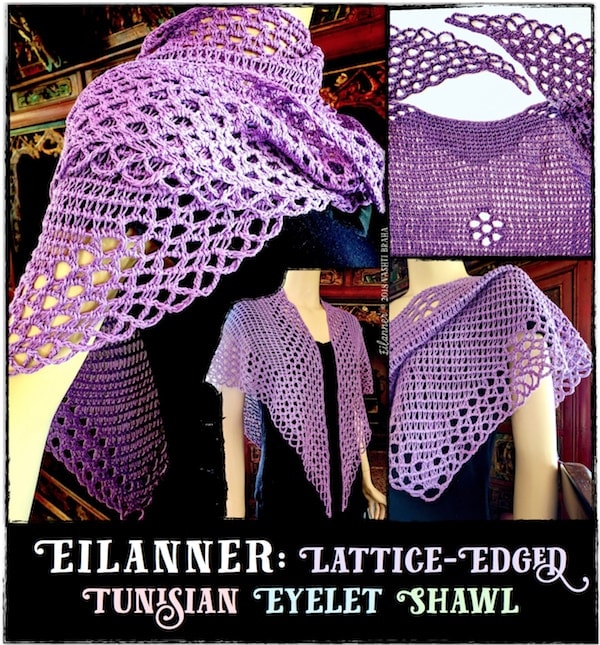
    Below I also include a complete list of my downloadable Tunisian crochet patterns for wraps and shawls. In classes I show a huge amount of published and unpublished crochet designs to illustrate what we learn in class, and what can happen when we take it further.

    You might also be interested in the pages I’m creating for my other class topics:

       (images & clickable links are in the process of being added below)         — Vashti Braha

    The “Five Peaks Tunisian Crochet Shawl” Class Resources

    The Five Peaks Shawl design in the news & around the internet

    • Its Ravelry design page (best headquarters for everything concerning the pattern.)
    • Interweave Crochet magazine issue in which the original version of the pattern first appeared: Spring 2009 (back issue available on CD?)
    • Downloadable pdf in the Interweave Pattern Shop (original version of pattern as it was published in the magazine)
    • Blog post about the design by Marcy, editor of Interweave Crochet magazine
    • My blog post about the development of the design
    • My blog post about the discovery I made that made the Five Peaks Shawl possible
    • Online photo set of my studio and process shots of the Five Peaks Shawls


    Vashti’s Crochet Inspirations newsletter issues that pertain to the Five Peaks Shawl

    • Issue # _:
    • Issue #_:


    All about the “Half-Hitch” stitch

    • Quick how-to video
    • See my newsletter issue #3 (link above)


    Inspiring Features, Examples, and Variations of the Five Peaks Shape

    • Doris Chan’s _
    • Nicky Epstein’s __
    • Barry Klein’s _


    Getting Geeky About the Geometry of the Five Peaks

    • Hypotenuse Calculator
    • Create-Your-Own Graph Paper


    Page of my downloadable Tunisian crochet patterns


    Share
    • July 20th, 2012 by Vashti

    Love Knot Crochet Class Resources


    Share

    This clickable list of love knot crochet resources is mainly to aid students of my classes in exploring more about crocheting love knots (a.k.a. Lover’s knots, Solomon’s knots, knot stitch) at their leisure. You’re welcome to enjoy the links below whether you’ve taken the classes or not. They represent the extra information that doesn’t fit into a standard three-hour class. Some are the names of designers, books, love knot variations, etc., that I may have mentioned in a class.

    Below I also include a complete list of my downloadable love knot crochet patterns. In my classes, I show a huge amount of published and unpublished crochet designs to illustrate the stitches we learn in class, and what they can look like when they grow up and become crochet patterns!

    Please bookmark this page and check back again. I’ll be updating it with more information as it develops.

    You might also be interested in the pages I’m creating for my other class topics:

    I wish to specially thank class angels Doris Chan and Stephanie Staltare.

    — Vashti Braha

    Love Knots: Crochet Class Resources (as of 7/8/2012)

    Not yet added: books, designers, etc. Check back!

    Note: The Love Knot crochet stitch is also commonly known as Lover’s Knots and Solomon’s Knots; before 1950 it was most commonly known as “Knot Stitch” and occasionally “Hail Stone Stitch.”

    My downloadable Love Knot Crochet Patterns:

    Love Knot Galleries I’ve compiled from around the internet: 


    HOW TOs:


    Non-English Languages (notes):


    Online Patterns:


    Beaded Love Knots:


    Books:


    In related textile techniques:

    Macrame and Knotting

    Embroidery

    Share
    • July 13th, 2012 by Vashti

    Slip Stitch Crochet Class Resources


    Share

    This clickable list of slip stitch crochet resources is mainly to aid students of my classes in exploring more about Slip Stitch Crochet at their leisure. (If you have not yet taken any of my slip stitch classes, I hope someday I’ll meet you in one of them!) You’re welcome to enjoy the links below whether you’ve taken the classes or not. They represent the extra information that doesn’t fit into a standard three-hour class. Some are the names of designers, books, other types of slip stitch crochet, etc., that I may have mentioned in a class.

    Below I also include a complete list of my downloadable slip stitch crochet patterns. In my classes, I show a huge amount of published and unpublished crochet designs to illustrate the stitches we learn in class, and what they can look like when they get dressed up for a party!

    Please bookmark this page and check back again. I’ll be updating it with more information as it develops.

    (Coming soon) You might also be interested in the pages I’m creating for my other class topics:

    I wish to specially thank Diane Moyer, Shari White, the Brown Sheep Yarn Company, and Chiaogoo.

    — Vashti Braha

    Slip Stitch Crochet Class Resources

    Page of my published Slip Stitch Crochet patterns at my Designingvashti.com website. (Also see my pattern shop at Ravelry.com)

    Page of my not-yet published Slip Stitch Crochet projects in Ravelry

    Back issues of Vashti’s Crochet Inspirations newsletter that focus on Slip Stitch Crochet:

    Slip Stitch Crochet Overview article at my Designingvashti.com website

    Foundation Slip Stitch Photo Tutorial at my Crochet Pattern Companion Blog

    Slip Stitch Crochet group in Ravelry (free, open to all)

    Finnish blog post at Hillevisthreads (in English) about Bosnian Crochet

    Slip Stitch socks of the Pamir people at CrochetInsider.com

    James Walters’ Bosnian Crochet fabric images

    Inverse Slip Stitches

    David Burchall’s A Yarnified Life SSC blog

    “Inverse” stitches in regular crochet:

    Slip Stitch Crochet Books of Interest

    1. Tanja Osswald’s Kettmaschen (in German)
    2. Nancy Nehring’s Learn Slip Stitch Crochet and Slip Stitch Caps: http://amzn.to/zfRLYS
    3. Bendy Carter’s Knit 1 Purl 2 in Crochet.
    4. Dora Ohrenstein’s designs and articles in Interweave Crochet magazine, Fall 2010 and Winter 2011 issues.


    Share
    • July 10th, 2012 by Vashti

    From the Archives: Issue #1 “Inaugural Crochet Newsletter” 9/2/2010


    Share

    New Crochet Talk

    You’re reading the very first issue of a bi-weekly crochet newsletter because you subscribed to it sight unseen, and for that I feel honored. I don’t want to clog up anyone’s inbox. I do have a lot to share about the crochet that I make, think about, test, teach, and talk about with other designers.  I’ll keep it to something brief here, put extended material on my blog, and article-length stuff can go on my website (or to magazine editors).

    My crochet mojo doesn’t fit neatly into a pattern, and lends itself to being free of charge. I suspect that a newsletter is the best medium for these inspirations. A subscription-based newsletter is kind of intimate, like a club, more so than a blog or open forum. I’m hoping that together we’ll enjoy looking more closely at the crochet we love and which brightens our days.

    I’m told that an email newsletter is for selling stuff, but if I used this newsletter for that, you and I would both grow bored. Of course I wish the best for the crochet patterns at my website–each one is like a child with its own destiny–and when there is news about them, I’ll report it in a news section of the newsletter.

    I’ve fantasized about having a newsletter that tracks what’s happening in crochet everywhere. We’re members of an exciting global crochet community (thanks to the internet). So, the news section will also contain newsy hookalicious items that happen to come my way.

    A Little Inspiration: Crocheted Buttons for Jewelry

    This first newsletter issue is mostly a test to see that it works as it should and to let you know what I have in mind for future issues. I’ll wrap up this one with what has been inspiring me the past 3 days. (I can test how the images upload and appear while I’m at it.)

    When crocheting jewelry, if I crochet the clasp instead of sewing on a button or snaps, or attaching traditional metal jewelry clasps, I enjoy it more, finish faster, and wear it immediately. Crocheted clasps also have the virtue of being metal-free for my friends who are allergic to some metals.

    This week I worked out two “buttons” that I’m really happy about, partly because neither causes a crochet pattern’s skill level to suddenly go from Easy to Intermediate*, and partly because they have a distinctive look.

    One is like a wavy donut. I like the look of the waves, and the texture adds to the clasp’s grip. This one’s in size #20 thread (see abbreviations below):

    Wavy Donut Button

    Ch 9, sl st in the 6th ch from the hook to make a ring, 12 sc in ring, sl st in top of 1st sc to join, [sl st, ch 1] 11 times into ring (you are crocheting around the sc completely), sl st once more, sl st in same 6th ch of the ch-9 as the first sl st, sl st in each of next 2 ch to firm up the button’s post.

    The other looks sort of like a plump star. I worked it in sock yarn, so it might not seem super-starry in photos:

    Plump Star Button

    Ch 5, [hdc, ch 1] 6 times in 2nd ch from hook, turn, sc in each hdc (skipping each sl st), sl st side of first sc, sl st in ch at base of button, sl st in each remaining ch to firm up the button’s post.(Some of the stitches are tight, which helps a button hold up well over time.)

    Abbrev’s: ch=chain, hdc=half double crochet, sc=single crochet, sl st=slip stitch.

    *For a long time I crocheted clones knots as buttons. When I started writing up the patterns, the tech editor instantly changed the skill level from “Easy” to “Intermediate” because of the clones knot. Also, I had to explain the unusual stitch from scratch each time.

    ——–

    Below was originally the righthand column of the newsletter:

    Button Experiments for Jewelry (tiny patterns at left)

    I hope you can make out here the zigzaggy surface of the Wavy Donut (green size #20 thread), and the star-like points that the hdc stitches make in the teal Plump Star button (sock yarn). (It’ll be available at the link below so that you can enlarge it.)

    The two purple lumps in the photo are beaded puff stitches. I made these a few years ago. The advantage of adding beads to a clasp button is that they add extra friction, which helps the clasp stay clasped. Over time and with even just a little wear, however, the beads loosen and the button is less cute.

    The teal button is part of an “Aran Rozsana Cuff” pattern that I’m writing now. You can see project photos here: http://ravel.me/vashtirama/nlfdi (this special link will work even if you’re not a Ravelry member.)


    Newsy Items Go Here!

    For example, I’m still daydreaming about a blog entry I read the other day about Tambour embroidery, an early form of crochet. This link takes you to exciting haute couture images, plus a photo tutorial of how it’s done.
    ::crossing fingers that these links are clickable for you::


    That’s it for issue #1, first published September 2, 2010.

    If you’d like to subscribe, <– just click it to go to a simple subscribe form. To see this newsletter issue in its original 2-columned and tastefully tinted format, click this. If you have any comments or suggestions, please email me: vashtibraha AT gmail.com. Thanks!      –Vashti
    Share
    • May 21st, 2012 by Vashti

    Summer-Fall 2012 Crochet Class Schedule


    Share

    I’ll Be Teaching Crochet Classes and Meeting Up with Fellow Crocheters at these National 2012 Events

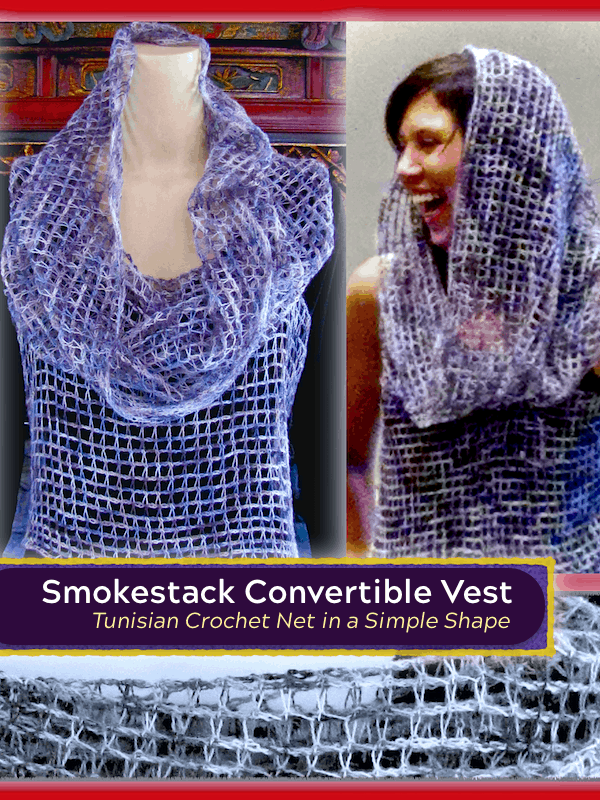
    Class: Tunisian Crochet Meshes: The Weightless Wrap & Variations

    Class: Tunisian Crochet Meshes: The Weightless Wrap & Variations

    1. June 27 – July 1 in Manchester, New Hampshire: Summer Chain Link Conference produced by the Crochet Guild of America (CGOA); register at The Knit and Crochet Show site. Classes are already selling out and a second hotel has been added!
    2. September 12 – 16 in Reno, Nevada: Fall Chain Link CGOA Conference; registration will open in July here.


    Classes Listed by Topic

    See event links above for class descriptions

    Slip Stitch Crochet Classes:
    Combines two basic Slip Stitch types

    Class: Introduction to Slip Stitch Technique (Slip Tectonics Cowl)

    1. Introduction to Slip Stitch Crochet Technique: June 28th in Manchester NH (SOLD OUT), and September 13 in Reno NV (see registration link above)
    2. Class: Advanced Slip Stitch Technique (Slip Swoop Loop, forthcoming design)

      Class: Advanced Slip Stitch Technique (Slip Swoop Loop, forthcoming design)

      Advanced Slip Stitch Technique: June 28th in Manchester NH (SOLD OUT)


    Tunisian Crochet Classes:

    1. Tunisian Crochet Lace 101: June 29th in Manchester NH (SOLD OUT)

      Class: Tunisian Crochet Lace 101 (Quartz, class project version of Aero)

      Class: Tunisian Crochet Lace 101 (Quartz, class project version of Aero)

    2. The Five Peaks Shawl: September 12 in Reno NV (see registration link above)

      Class: The Five Peaks Wrap (Tunisian crochet on the bias with lacy eyelets for a shape that stays on your shoulders)

      Class: The Five Peaks Wrap (Tunisian crochet on the bias with lacy eyelets for a shape that stays on your shoulders)

    3. Tunisian Crochet Meshes: The Weightless Wrap: September 14 in Reno NV (see photo at top of screen and registration link above)


    More Crochet Class Topics for 2012:

    1. Embracelet

      Class: Creating Crochet Jewelry (Embracelet)

      Love Knot Adventures: June 29th in Manchester NH (SOLD OUT)

    2. Creating Crochet Jewelry: September 13 in Reno NV (see registration link above)
    3. Class: Love Knot Adventures (Nakshatra, forthcoming)

      Class: Love Knot Adventures (Nakshatra, forthcoming)

      How to Prepare a Design Proposal, presentation for Professional Development Day: September 12 in Reno NV (see registration link above)


    Regional Crochet Events

    I’m honored to be leading the Annual Crochet Retreat of the Northern Illinois CGOA Chapter in Oregon, IL (Chicago area), October 26-29 2012. Retreat topics (more details to come):

    1. Special Topics in Slip Stitch Crochet
    2. Advanced Tunisian Crochet Lace

    More Relevant Photos:

    Retreat Topic: Advanced Tunisian Crochet Lace (Rivuline, preview of forthcoming design)

    Retreat Topic: Advanced Tunisian Crochet Lace (Rivuline, preview of forthcoming design)

    Class: Advanced Slip Stitch Technique (new stitch combos, forthcoming design)

    Class: Advanced Slip Stitch Technique (new stitch combos, forthcoming design)

    Class: Creating Crochet Jewelry (Cabochon Braid, forthcoming design)

    Class: Creating Crochet Jewelry (Cabochon Braid, forthcoming design)

    Share
    • May 13th, 2012 by Vashti

    Newest Crochet Design: Undaria Flutter Scarf


    Share

    This is the first blog post using a new feature here at my DesigningVashti website headquarters: I can blog right here at my own website.

    I have some design news. The downloadable crochet pattern for Undaria is being tech-edited now. This means it will be available just after Thanksgiving, most likely this Monday, Nov. 28. You can see several wearing styles in the meantime, all possible with the same pattern:

    I really enjoyed designing and crocheting this exciting shape.

    The next pattern after Undaria will be the Thaxton Hooded Cowl. Both of these designs are cozy new ways to use crochet slip stitches. The short rows keep them interesting.
    …and now to see how this new kind of blog post looks!

    Share
    • November 23rd, 2011 by Vashti


    © 2010 Designing Vashti All Rights Reserved